Virtual Reality Training: Transforming Employee Onboarding

Virtual Reality Training: Transforming Employee Onboarding

Sean Keogh · 27 Mar 2024 · 1 min read

Training and Development

The first weeks in a new role are among the most consequential of an employee’s tenure. The impressions formed during onboarding — of the organisation, the team, the culture, and the expectations of the role — shape engagement and performance for months. Yet most onboarding programmes are a series of documents to read, presentations to sit through, and introductions to navigate. The experience is passive, and the learning that results from it is shallow.

Virtual Reality changes the onboarding paradigm from passive consumption to active experience.

VR Revolutionising Onboarding

The core insight is simple: people learn by doing, not by watching or reading. VR creates environments in which new employees can experience their role — before they are in it, without the pressure of real consequences — and develop genuine competence rather than superficial familiarity.

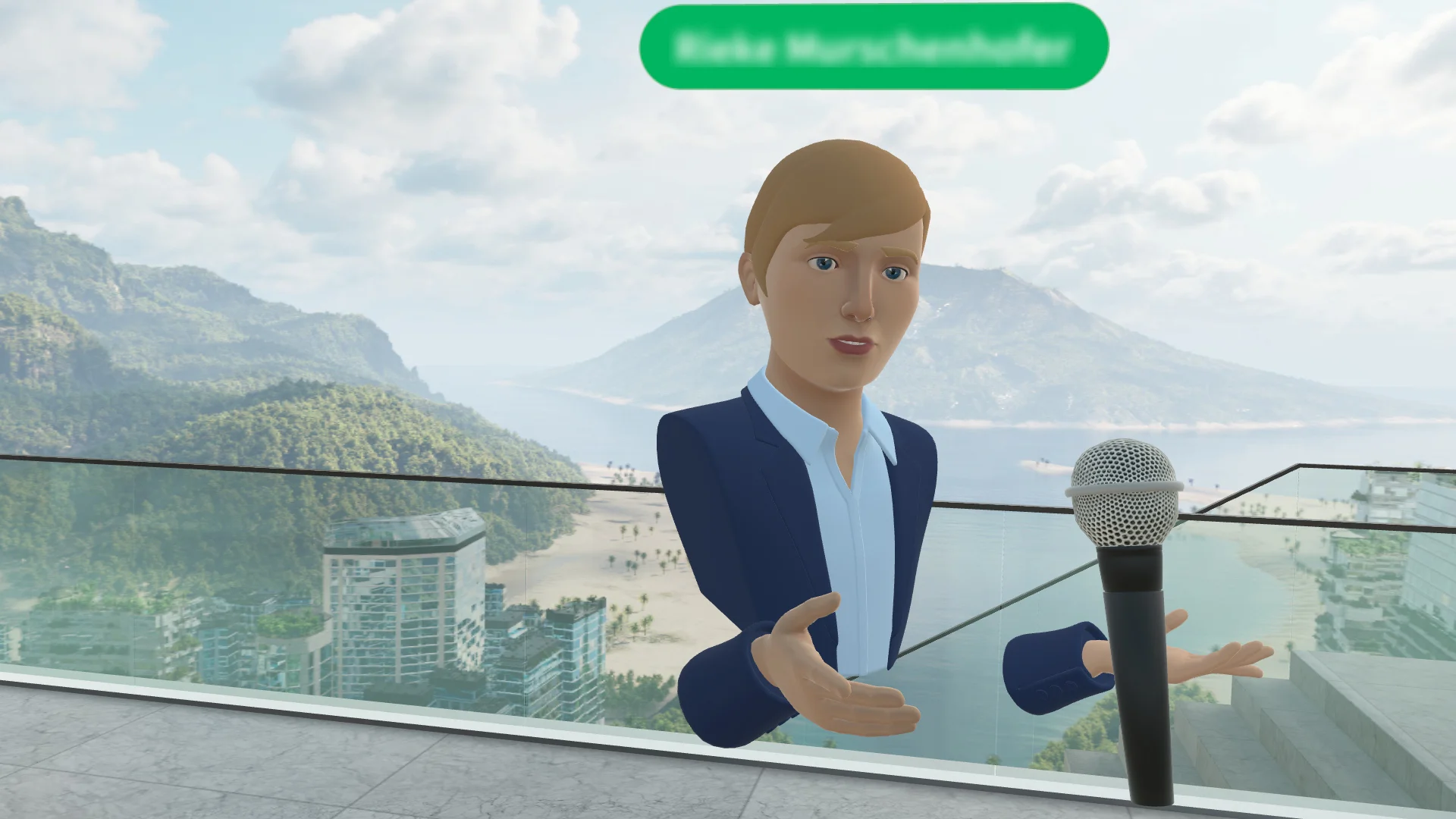
A new employee can walk through a virtual version of the office or facility, meet avatars of their key colleagues, and navigate processes and interactions that will be part of their daily work. By the time they arrive for their first day, the environment is not entirely unfamiliar, and the anxiety of newness is reduced.

The Virtual Office Scenario

One of the most effective VR onboarding formats is the virtual office scenario: a faithful representation of the actual working environment — its layout, its people, its processes — that new hires can explore and interact with before starting.

In a virtual office, new employees can find their desk, understand the spatial organisation of the team, and locate the facilities and resources they will use. They can meet colleagues in avatar form, have conversations, and begin to form an understanding of the social landscape they are joining. None of this requires anyone else to be available at a specific time — the virtual environment is accessible on demand.

Versatility for Different Learning Styles

VR onboarding accommodates a range of learning needs within a single platform:

Safety protocols. New employees in industrial, healthcare, or logistically complex environments can rehearse safety procedures in VR before encountering them in high-stakes real-world situations. The consequence of making a mistake in VR is a reset — not an incident report.

Customer interaction simulations. For roles involving customer contact, VR scenarios allow new hires to practice conversations, handle objections, and navigate difficult interactions with simulated customers before doing so with real ones. The practice generates confidence that carries into live situations.

System and process walkthroughs. Complex workflows, software systems, and operational processes can be demonstrated interactively in VR — with the new employee completing steps themselves, not watching a screen recording.

Repeatability

One of VR onboarding’s most underrated advantages is repeatability. A new employee who does not fully understand a process can repeat the VR scenario as many times as needed, at their own pace, without requiring a trainer or colleague to be available. Each repetition is identical — there is no variation in quality, no inconsistency in what is communicated, no dependency on the availability of an experienced colleague.

This consistency at scale is particularly valuable for organisations onboarding large cohorts simultaneously or across multiple locations. Every new hire receives the same high-quality experience regardless of where they are or when they join.

Setting the Stage for Success

VR onboarding sets the stage for employee success from day one — not by eliminating the learning curve, but by shortening and smoothing it. New hires arrive with more context, more confidence, and more practical readiness than traditional onboarding produces.

The effect compounds over time: employees who start well tend to stay. The investment in a high-quality onboarding experience is an investment in retention, performance, and the cultural integration that makes new hires genuinely part of the team rather than perpetually catching up.

The first weeks matter. VR ensures they go well.