

The Power of Avatars in Virtual Reality Collaboration
Sean Keogh · 18 Sept 2024 · 2 min read
Future Trends
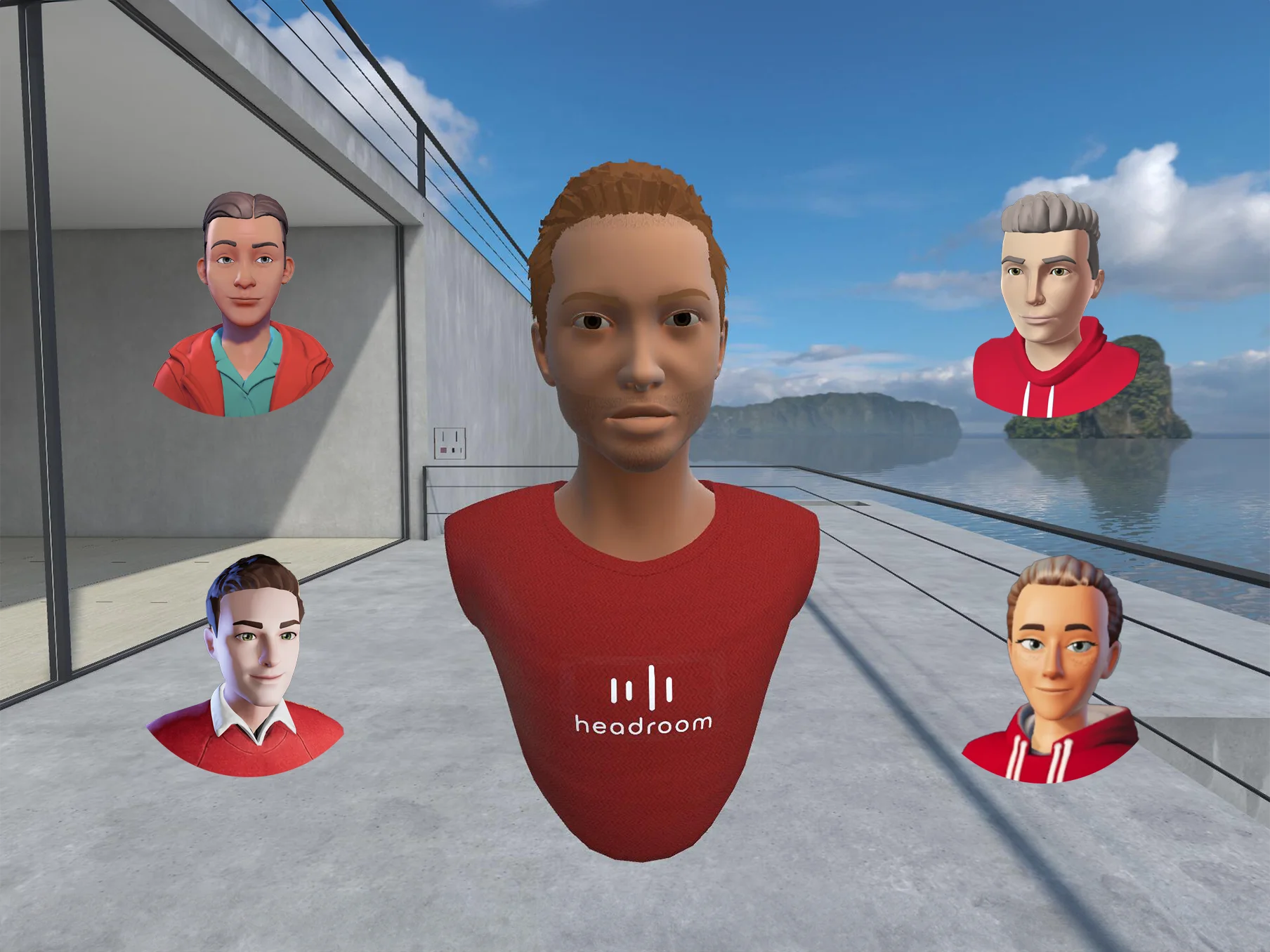
Dress to impress: Avatars from various VR platforms
Avatars: Your Virtual Self
In Virtual Reality (VR), avatars are more than just digital stand-ins—they’re extensions of ourselves. As we step into virtual spaces, our avatars must represent us in a way that feels comfortable and authentic. This personalization isn’t just cosmetic; it’s a vital element of VR’s immersive power. The ability to choose and customize an avatar allows us to express how we wish to be seen in virtual environments, breaking the barriers of physical identity.
The Magic of Abstraction
One of the remarkable aspects of avatars in VR is how effective they are, even when highly abstract. Unlike traditional representations in social media or video conferencing, VR avatars often take on a more stylized, comic-like appearance. Yet, our brains naturally project personality and humanity onto these characters, thanks to the recognition of voices and the natural movement of the avatar. When interacting with a cartoon-like figure in VR, we still perceive them as real people because of this seamless blending of audio and body language. This phenomenon leverages the brain’s incredible capacity to suspend disbelief, allowing us to feel truly connected to others, even if they appear as animated figures.
Freedom of Expression
The freedom avatars offer goes beyond simple representation—they provide us with the ability to choose how we present ourselves in different contexts. Whether we want to appear young or old, slim or stocky, bald or bearded, VR enables us to embody whatever version of ourselves we wish. This level of customization is empowering and can even enhance self-expression in ways that physical limitations might restrict in the real world.
Dressing for the Occasion
Moreover, just like we tailor our clothing choices depending on the occasion in real life, VR avatars allow us to adjust our appearance to suit different virtual environments. One day you may choose to don a sleek business suit for a formal meeting, and the next, you could opt for surfer shorts and a casual t-shirt for a relaxed Friday catch-up. This versatility adds a playful and dynamic element to virtual interactions, enhancing the overall experience of collaboration.
Conclusion: The Power of Abstraction
In conclusion, avatars in VR do not need to be photorealistic to be effective. In fact, efforts to create lifelike avatars often backfire, leading to the well-known “uncanny valley” effect—where something feels unsettling because it’s almost, but not quite, human. Instead, the abstraction of avatars, combined with the brain’s power to fill in the gaps, allows them to function more powerfully as social connectors. By suspending disbelief, our minds accept these digital representations as real, enabling meaningful interactions and collaborations in virtual spaces. It’s this unique balance of abstraction and human projection that gives VR avatars their real strength—bringing people together in a way that transcends physical limitations.
Whether in the boardroom or at a beach party, avatars offer us an imaginative and flexible way to connect, making virtual reality collaboration not just possible, but deeply engaging.