

The Future of Executive Communication: Virtual Collaboration in Adaptive Environments
Sean Keogh · 23 Oct 2024 · 3 min read
Future Trends
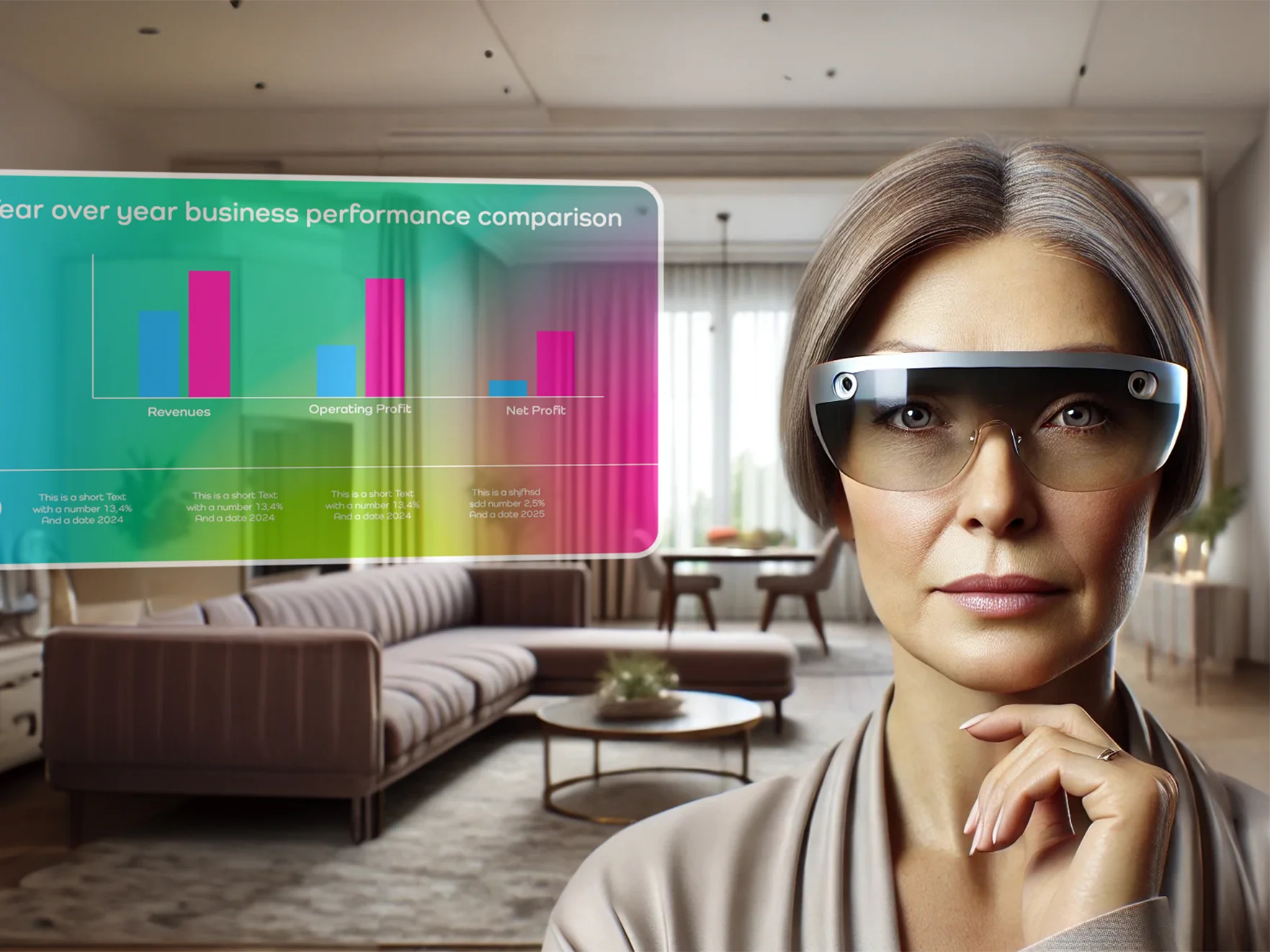
The tech doesn’t look quite like this yet, but the progress is rapid
In the past, executive communication revolved around large conference rooms with expensive audio-visual setups. Leaders flew in from distant offices, gathering around a long table to spend hours reviewing presentations on a big screen. These physical meetings, while necessary, were constrained by logistics, geography, and time.
As we move toward the future, virtual reality (VR) is set to transform how executives meet and collaborate. No longer confined to boardrooms, executives will engage in beautifully rendered virtual environments from anywhere in the world. VR is creating immersive, adaptive spaces that offer new levels of flexibility, creativity, and efficiency.
Leaving the Physical Conference Room Behind
The traditional corporate boardroom, while impressive, was ultimately limited by the physical world. Executives would spend countless hours traveling across time zones to sit together in the same room, reviewing data on flat screens. This model, though effective for its time, is quickly becoming outdated.
In the future, VR will eliminate the need for physical travel and static meeting spaces. With VR, executives can don their headsets and instantly enter a virtual meeting room, regardless of location. These environments will be customizable, scalable, and infinitely flexible, allowing executives to interact with each other as if they were physically present.
Adaptive Virtual Spaces for Every Need
Unlike traditional boardrooms, which had to be large enough for all attendees, VR environments can expand or contract based on the size of the meeting. A small strategy session can take place in a virtual lounge, while a company-wide presentation might occur in a grand amphitheater. The space adapts to the size and needs of the audience in real time.
For intimate meetings, executives might sit in cozy virtual settings with expansive views of futuristic cityscapes. For larger gatherings, the virtual environment can transform into a professional space complete with 3D data projections and interactive features. This adaptability allows for meetings to be tailored to the tone and purpose, creating the perfect environment for productive collaboration.
Immersive Experiences Beyond Video Calls
Traditional video conferences are limited to talking heads in small boxes on a screen. VR breaks free from these constraints by creating immersive, interactive experiences. Participants are represented by avatars, allowing them to move, gesture, and make eye contact. This makes the meeting feel more natural and engaging.
In VR, data becomes more than just numbers on a flat screen. Imagine standing in front of a 3D data model, walking around it, manipulating it in real time, and exploring complex information from multiple angles. This interactive approach allows executives to gain deeper insights and collaborate more effectively.
The End of Travel Fatigue
One of the most significant shifts VR brings to executive communication is the elimination of business travel. Instead of flying halfway across the world for a two-hour meeting, executives can join virtual meetings from anywhere, reducing the time and expense of travel.
This shift not only saves time but also contributes to sustainability. By reducing the need for flights and hotels, companies can cut their carbon footprints, helping meet environmental goals without sacrificing productivity.
Inspirational Meeting Spaces
In the corporate world of tomorrow, meeting spaces won’t just be functional; they’ll also be designed to inspire creativity and engagement. Why hold a meeting in a sterile boardroom when you could meet on the edge of a mountain range or above a futuristic skyline? VR environments allow for personalized spaces that can energize and motivate participants.
These environments aren’t just visually stunning—they’re also tailored to the mood and purpose of the meeting. Whether you need a relaxed atmosphere for brainstorming or a formal setting for decision-making, the virtual environment can be adjusted on demand to suit your needs.
Equal Participation, Anywhere in the World
VR also democratizes participation in executive communication. In traditional meetings, remote participants often felt like second-class attendees, confined to the edges of the room via a speakerphone or a small video feed.
In a VR-powered future, every participant has an equal presence. Whether you’re the CEO in New York or a manager in a remote office, your avatar occupies the same virtual space, and your voice carries the same weight. This creates more equitable communication and allows diverse voices to be heard.
Conclusion: A New Era of Collaboration
The future of executive communication goes far beyond replacing physical meetings with virtual ones. VR opens up possibilities for dynamic, adaptive environments that bring people together in more immersive and engaging ways.
Gone are the days of staring at slides in a dark conference room. Instead, executives will meet in virtual worlds that inspire creativity, foster collaboration, and eliminate the need for costly travel. With VR, the boardroom of the future isn’t just more efficient—it’s better.