

How to create brilliant team-building events using virtual reality collaboration tools
Sean Keogh · 5 Jun 2024 · 3 min read
Training and Development
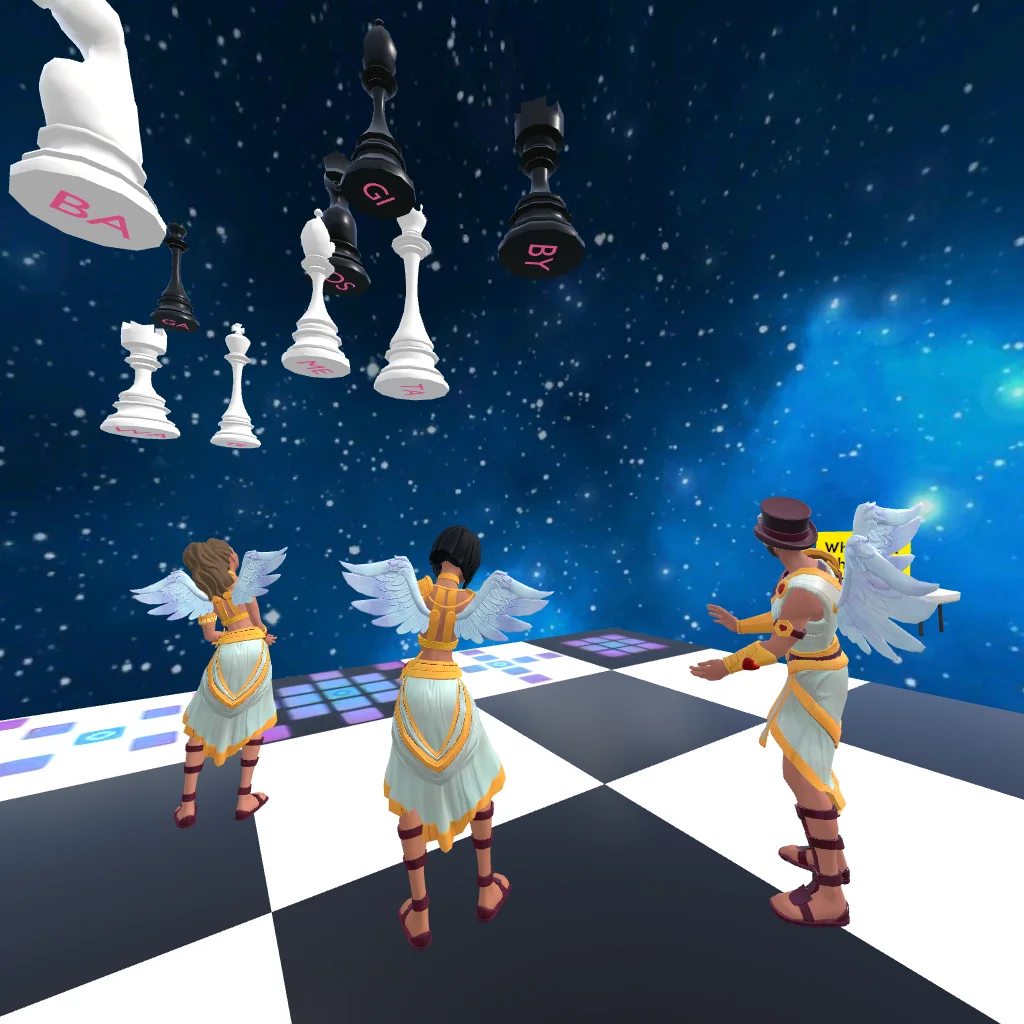
Team members in a headroom-designed escape room in Virtual Reality
Creating brilliant team-building events using virtual reality (VR) collaboration tools requires careful planning and a strategic approach. The goal is not just to host one-off events, but to integrate VR into the daily routines of remote teams, enhancing both their work meetings and social interactions. This approach addresses the lack of personal connection often felt in traditional video conferencing tools like Zoom or Teams, which became all too evident during the pandemic.
The Importance of Social Interaction for Remote Teams
Remote and hybrid teams face significant challenges when it comes to social interaction. Traditional collaboration tools often fail to create the sense of presence and engagement needed for effective team bonding. Attempting team-building activities through these platforms during the pandemic often resulted in awkward and ineffective experiences. However, the need for social interaction remains crucial. Teams that connect on a personal level tend to be more cohesive, motivated, and productive.
The Benefits of VR for Team Building
Integrating VR into your collaboration toolkit offers a unique solution. VR provides immersive environments that can simulate real-life interactions more effectively than video calls. It allows for creative, engaging, and cost-effective team-building activities that would be difficult or expensive to organize in the physical world.
Steps to Integrate VR for Team Building
1. Training Teams in VR Collaboration Tools
Begin by training your teams to use VR for their everyday meetings. Familiarize them with the VR interface, controls, and functionalities. This step is essential for building confidence and ensuring that VR becomes a natural part of their workflow. Provide training sessions and resources to help them navigate the VR environment effortlessly.
2. Gradual Integration into Daily Routines
Gradually integrate VR into daily work routines. Start with simple VR meetings and progressively move to more complex collaborative tasks. This helps teams adapt without feeling overwhelmed. Encourage regular use of VR for team check-ins, brainstorming sessions, and project discussions.
3. Creating Engaging Social Interaction Events
Plan specific VR events focused on social interaction. These could include virtual coffee breaks, team-building games, or virtual office tours. Use the immersive nature of VR to create experiences that are both fun and memorable. For example, organize a virtual scavenger hunt, a team challenge in a fantasy setting, or even a virtual escape room. These activities can significantly enhance team bonding.
4. Leveraging VR’s Unique Capabilities
Utilize the unique capabilities of VR to create experiences that would be impractical or costly in real life. This might include hosting a virtual retreat in an exotic location, conducting team-building exercises in a simulated space station, or engaging in collaborative art projects in a virtual studio. The possibilities are endless and limited only by your creativity.
5. Monitoring and Feedback
Continuously monitor the impact of VR on team dynamics and productivity. Collect feedback from team members to understand what works and what doesn’t. Use this feedback to refine and improve future VR team-building activities.
Overcoming Challenges
While VR offers many benefits, it’s essential to address potential challenges. Ensure that all team members have access to the necessary VR hardware and a stable internet connection. Technical issues can hinder the effectiveness of VR events, so have support available to assist with any problems that arise.
Conclusion
By thoughtfully integrating VR into your team’s daily routine and planning engaging, immersive social events, you can significantly enhance team cohesion and productivity. VR provides a powerful platform for creating memorable team-building experiences that transcend the limitations of traditional video conferencing tools. With careful planning and execution, VR can transform the way remote teams interact, collaborate, and build strong interpersonal connections.